
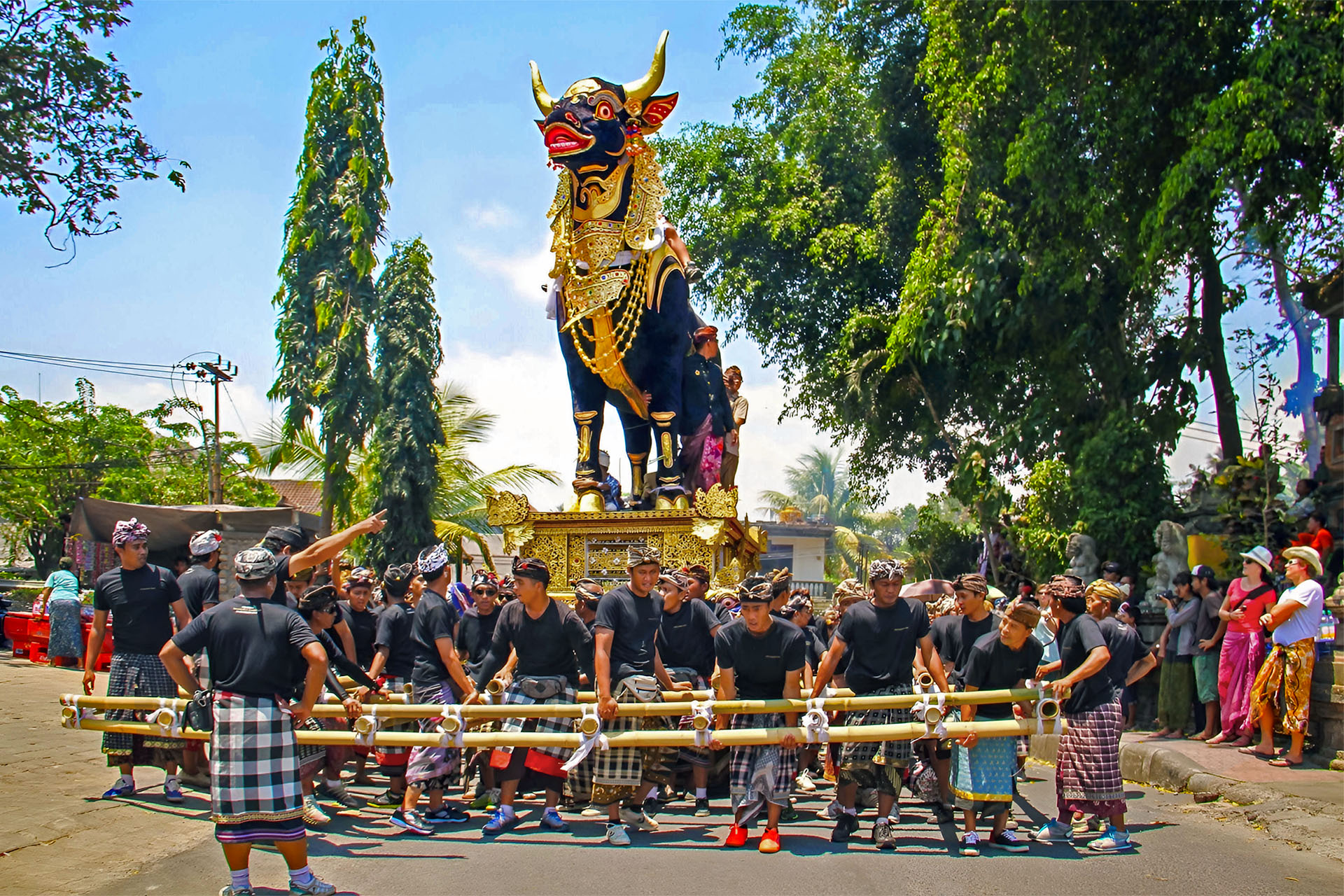
In 2025, travelers are increasingly seeking meaningful experiences that go beyond traditional sightseeing. Cultural immersion tours have emerged as a popular way to deeply engage with local communities, traditions, and ways of life. This guide explores what cultural immersion tours entail and why they are considered a smart choice for travelers this year.
What Is a Cultural Immersion Tour?
A cultural immersion tour is a travel experience designed to engage participants deeply with the local culture of a destination. Unlike conventional tours that focus on major attractions, these journeys prioritize authentic interactions with local communities, traditions, and daily life. Activities may include staying with host families, participating in traditional ceremonies, learning local crafts, and sharing meals with residents. The goal is to foster a genuine understanding and appreciation of the host culture.
Why Cultural Immersion Is the Smartest Way to Travel in 2025
As travelers seek more meaningful and sustainable experiences, cultural immersion tours offer several advantages:
- Authentic Connections: Engaging directly with local communities allows for genuine relationships and a deeper understanding of different ways of life.
- Personal Growth: Immersive experiences challenge travelers to step out of their comfort zones, fostering adaptability, empathy, and cultural sensitivity.
- Sustainable Impact: By supporting local economies and promoting responsible tourism practices, these tours contribute positively to the communities visited.
Key Elements of a Cultural Immersion Tour
Cultural immersion tours typically include:
- Homestays: Living with local families to experience daily life firsthand.
- Culinary Experiences: Participating in traditional cooking classes and local food preparation.
- Cultural Workshops: Engaging in activities like traditional crafts, music, or dance.
- Language Learning: Learning basic phrases or participating in language classes to communicate effectively.
- Community Participation: Involvement in local festivals, ceremonies, or community projects.
Examples of Cultural Immersion Tours
Maha Sarakham, Thailand
Located in Thailand’s northeastern Isan region, Maha Sarakham offers travelers a chance to engage deeply with traditional Thai culture. Visitors can participate in local festivals, explore ancient temples, and learn traditional crafts from local artisans. Staying with host families provides an authentic experience of rural Thai life.
Yogyakarta, Indonesia
Indonesia’s diverse archipelago presents numerous opportunities for cultural immersion. Travelers can visit remote villages in Bali, Java, or Sulawesi to experience traditional ceremonies, learn local crafts, and participate in community activities. These experiences offer insights into Indonesia’s rich cultural heritage and foster meaningful connections with local communities.
Andalucía, Southern Spain
Andalucía, located in southern Spain, is a region rich in history, culture, and tradition. Its diverse heritage, influenced by Roman, Moorish, Jewish, and Christian civilizations, makes it an ideal destination for cultural immersion tours. Travelers can engage deeply with local customs, arts, and communities, gaining a profound understanding of the region’s unique identity.
Tips for Choosing the Right Cultural Immersion Tour
- Research Tour Operators: Look for companies that prioritize ethical practices and community involvement.
- Assess Your Interests: Choose tours that align with your personal interests, whether it’s cuisine, art, or history.
- Consider Duration and Intensity: Decide how deeply you want to immerse yourself and for how long.
- Prepare Mentally and Physically: Be open to new experiences and adaptable to different living conditions.
By carefully selecting a tour that matches your interests and comfort level, you can ensure a rewarding cultural immersion experience.
Conclusion:
Cultural immersion tours offer travelers a unique opportunity to connect deeply with local communities and traditions. In 2025, as the demand for meaningful and sustainable travel experiences grows, these tours provide a smart and enriching way to explore the world. By engaging authentically with different cultures, travelers not only gain a deeper understanding of the world but also foster personal growth and global empathy

